Upgrade Your Space: The Top Modern Roof Lanterns for Organic Illumination
Contemporary architecture emphasizes roof lanterns as vital components that boost both aesthetics and practicality. They work as a connection between exterior and interior areas, permitting daylight to flow into areas that often lack light. With diverse designs to choose from, residents can select choices that match their unique aesthetic and efficiency goals. As one explores the advantages, it is plain that these elements can markedly reshape any home area.
Why Select a Roof Lantern for Your Home?
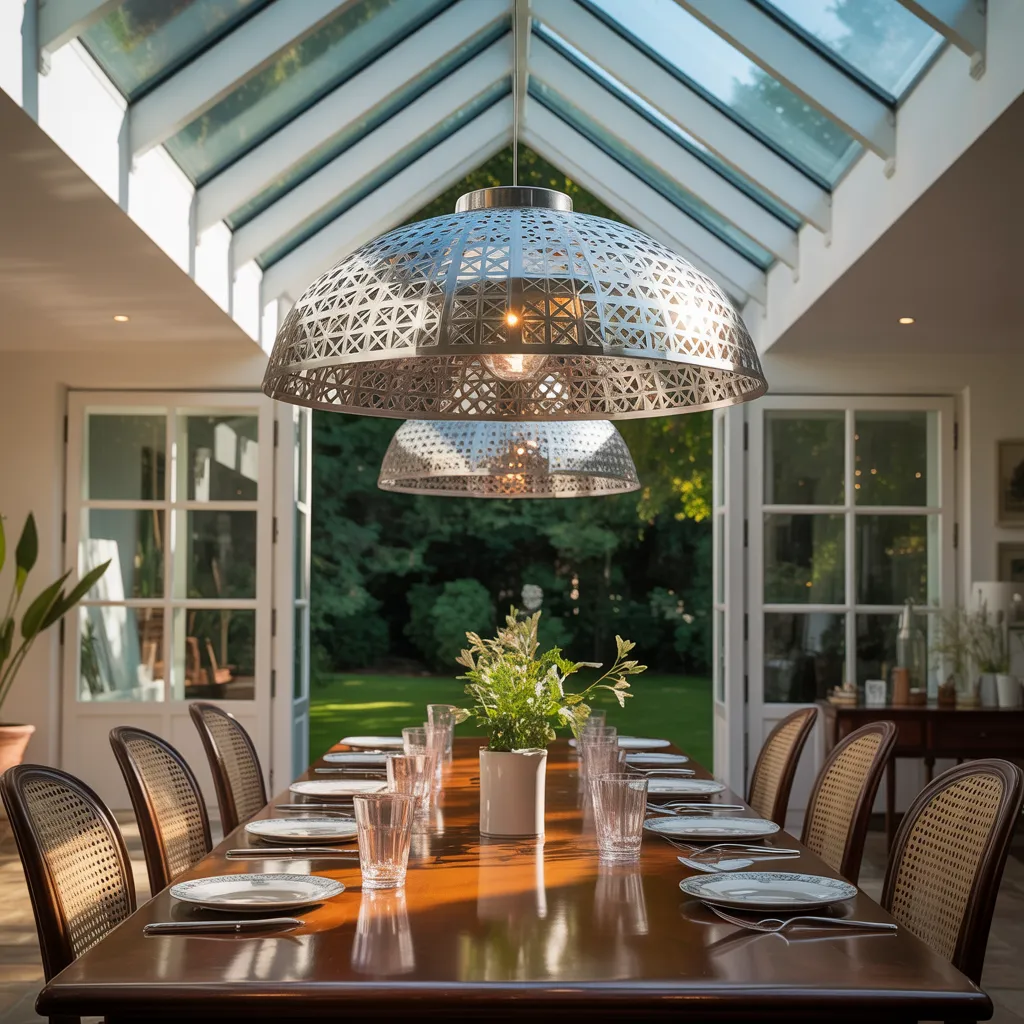
When property owners think about improving their home environments, choosing a skylight lantern can greatly transform the atmosphere. These design elements not only offer an stylish centerpiece but also fill interiors with daylight, establishing a sense of openness. Skylight lanterns are particularly beneficial in darker areas of a home, such as hallways or extensions, where they can significantly improve the overall atmosphere.
Furthermore, roof lanterns enhance energy performance by decreasing the requirement for artificial lighting during the day. This can lead to lower electricity bills and a reduced carbon footprint. Additionally, these additions can boost property value, appealing to potential buyers who seek modern and stylish design elements. Their flexibility allows homeowners to select various styles and materials that complement their existing architecture, making roof lanterns a favored choice in contemporary home design. Overall, the addition of a roof lantern can elevate both aesthetics and functionality.
Essential Characteristics to Consider When Choosing Modern Roof Lanterns
Selecting modern roof lanterns requires careful consideration of several essential features to guarantee they meet both aesthetic and functional needs. First, the size and shape of the lantern should match the architectural style of the home while ensuring sufficient light diffusion. Material choice is vital; options like aluminum or timber can offer longevity and weatherproofing.
Moreover, energy conservation is an essential factor; choosing lanterns with double-paned glass can enhance insulation. The effortlessness of installation and maintenance should also be looked into, as different models may call for more effort than others.
Ultimately, evaluate the stylistic options, such as frame styles and color finishes, which can greatly influence the overall ambiance of the space. By concentrating on these important elements, homeowners can make informed decisions that elevate both the beauty and functionality of their living spaces.
Compare the Best 5 Modern Roof Lantern Styles
When examining the top five modern roof lantern styles, consideration should be paid to their visual attractiveness and variety of styles. Furthermore, the strength of construction materials and the standard of surface treatments serve as a critical component in the overall value of these installations. Evaluating these aspects can help homeowners make informed decisions that correspond to their design preferences and practical needs.
Design Aesthetics and Trends
Roof lanterns, although serving a functional role in illuminating spaces, have styling that evolved considerably, making them a key feature in modern architecture. The top five modern roof lantern designs showcase a variety of styles, from minimalist geometric shapes to elaborate, contemporary patterns. Sleek, flat designs typically feature broad glass panels, improving daylight while maintaining a low profile. Conversely, more ornate lanterns feature creative embellishments that add character to any room. Some involve factory-inspired components, merging metal frames with glass for a striking contrast. Each design reflects contemporary trends, focusing on the balance between style and utility, ultimately turning spaces into luminous sanctuaries that invite visit now both natural light and visual interest.
Material Resilience and Coating
Durability serves as a key factor in the selection of modern roof lanterns, as the materials used directly affect their longevity and maintenance. Among the top five designs, aluminum and stainless steel excel for their resistance to corrosion and weathering, ensuring longevity in various climates. Glass options, often tempered or double-glazed, provide excellent insulation and UV protection, although they require careful handling to prevent breakage. Additionally, powder-coated finishes enhance metal durability and offer a variety of aesthetic choices. Wood, while visually appealing, demands regular treatment to resist moisture and pests. Overall, the combination of robust materials and quality finishes greatly impacts the practicality and lifespan of roof lanterns, making informed choices vital for homeowners.
Mounting Your Roof Lantern: A Progressive Guide
Selecting the best position when fitting a roof lantern is essential for boosting daylight and design. Furthermore, keeping essential tools and materials available ensures a trouble-free installation process. This guide will outline the necessary procedures to accomplish a successful installation.
Choosing The Right Area
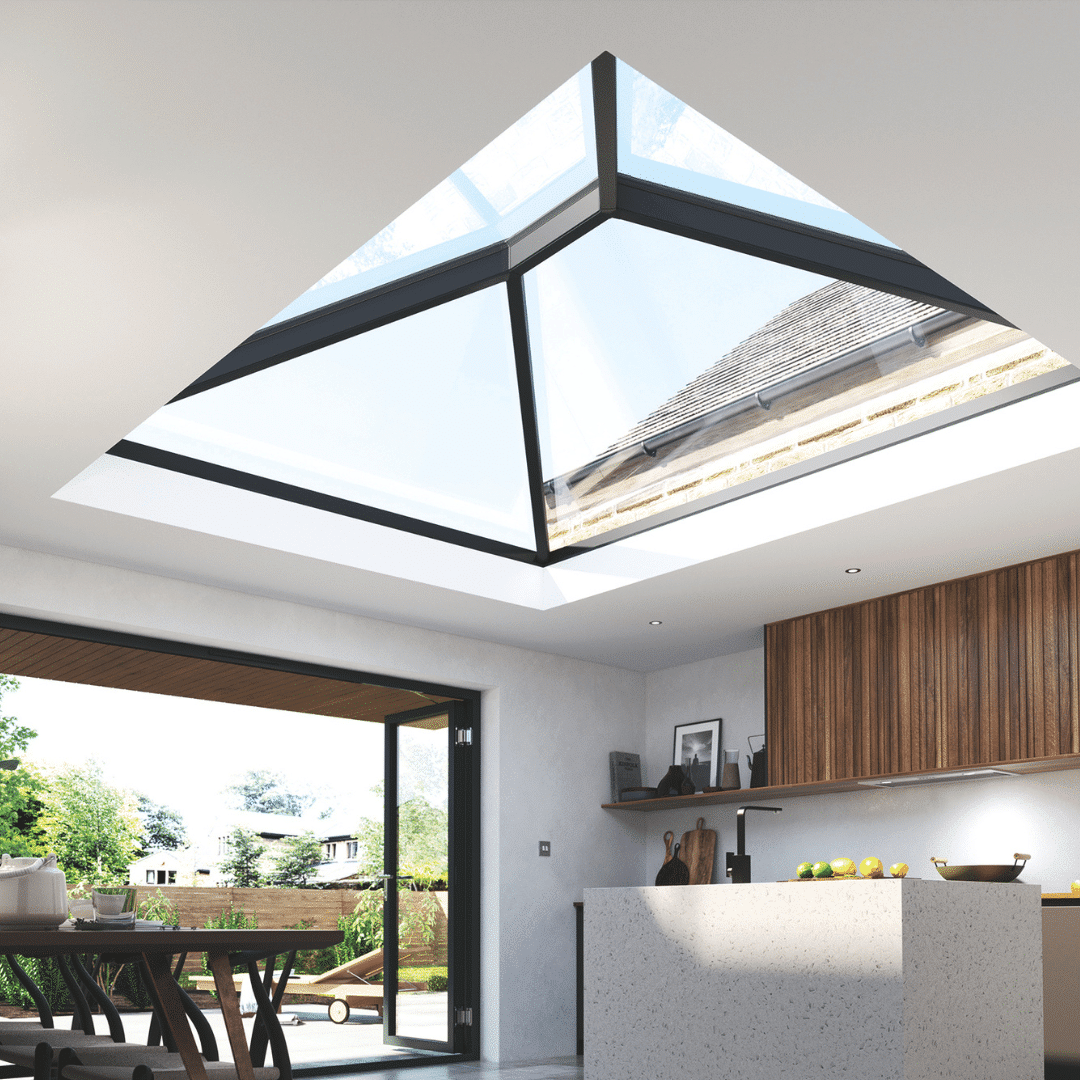
Deciding on the perfect location for a roof lantern can greatly improve both natural light and aesthetic appeal within a space. It is important to account for the direction of the room, as south-facing setups typically enhance light exposure throughout the day. Equally, evaluating the surrounding structures is significant; nearby trees or buildings may block light and lower efficiency. The roof pitch should also be examined, ensuring the lantern sits at an optimal angle for light entry. Also, it is wise to position the lantern away from areas susceptible to heat loss, such as poorly insulated spaces. To summarize, the size and style of the roof lantern should complement the overall architectural design, creating a harmonious balance between functionality and visual impact.
Essential Equipment and Supplies
At the beginning of the setup of a roof lantern, one must procure essential tools and materials to facilitate a smooth process. Key tools feature a power drill, measuring tape, level, and a utility knife. Safety gear, such as gloves and goggles, is also vital to guarantee protection during installation.
Materials required include the roof lantern itself, flashing tape, sealant, and screws. Additionally, possessing a ladder on hand makes access to the installation area easier. It is advisable to prepare the workspace by removing any debris and confirming good lighting. By assembling these tools and materials beforehand, the installation can proceed smoothly and effectively, minimizing potential setbacks and guaranteeing a successful outcome.
Ways to Incorporate Roof Lanterns for Illuminating Every Room
Roof lanterns have the potential to enhance any room by permitting an abundance of natural light into the space. They create a sight connection with the outdoors, improving the overall mood. When deliberately positioned, roof lanterns can illuminate dark corners, making spaces appear larger and more open locations. In living areas, they serve as focal points, pulling attention skyward and adding to architectural interest.
In kitchens, the ambient daylight delivered by roof lanterns can make the space feel more appealing, perfect for food preparation and social gatherings. In bedrooms, they can create a serene atmosphere, allowing soft sunlight to filter in during the morning. Adding roof lanterns to hallways or staircases can also improve visibility and deliver a sense of continuity throughout the home. Overall, adding roof lanterns into design schemes not only enhances brightness but also elevates the aesthetic appeal of any room.
Maintenance Suggestions for Roof Lanterns
Roof lanterns provide natural illumination that elevates the ambiance of any room, but maintaining them is crucial for preserving their look and operation. Regular cleaning is essential; using a soft cloth and a non-abrasive cleaner helps prevent scratches and build-up. Homeowners should examine seals and gaskets for wear, guaranteeing they stay watertight and avoid leaks. Scheduling professional inspections once a year is recommended, assessing structural integrity and possible damage. Additionally, monitoring for condensation inside the lantern can alert ventilation issues requiring attention. When replacing bulbs, it’s important to use the proper wattage to prevent overheating. Lastly, during extreme weather, use protective covers to shield the lanterns from debris and harsh conditions. By following these maintenance steps, one can ensure that roof lanterns continue providing natural light and enhance the home's aesthetic charm.
The Benefits of Roof Lanterns for Enhancing Power Conservation in Your Home
One significant benefit of incorporating roof lanterns into a home is their ability to improve power conservation. By allowing daylight to flood living spaces, roof lanterns decrease the dependence on artificial lighting during the day. This not only reduces electricity bills but also decreases the household's overall carbon footprint.
Furthermore, up-to-date roof lanterns often showcase advanced glazing that provides insulation, helping to retain heat during colder months and keeping interiors cooler in the summer. This insulation efficiency can lead to reduced heating and cooling costs, further promoting energy savings.
Additionally, the aesthetic quality of roof lanterns compels homeowners to embrace natural light, advancing a superior living environment. The amplified daylight can enhance mood and output, making spaces more welcoming without detracting from energy efficiency. To summarize, roof lanterns are a effective solution for homeowners wanting to enhance both illumination and energy conservation.
Common Frequently Questions
Which Resources Are Commonly Selected for Latest Roof Lanterns?
Contemporary roof lanterns frequently employ aluminum, glass, and polycarbonate as primary materials. These materials deliver durability, aesthetic appeal, and effective light transmission, enhancing both the structural soundness and design beauty of modern architectural designs.
Will Roof Windows Coordinate with Every Property Aesthetic?
Roof lanterns can complement different home styles, including contemporary, traditional, and minimalist designs. Their flexibility allows them to enhance aesthetics while providing natural light, making them suitable for diverse architectural preferences and environments.
How Do Roof Lanterns Influence Interior Climate?
Roof lanterns can profoundly change interior thermal conditions by promoting daylight entrance, which elevates warmth in areas during the day. However, without suitable air movement or shade solutions, they can also aggravate excessive temperature in warmer months.
Do Roof Lanterns Work With Smart Home Systems Integration?
Roof lanterns can certainly be combined with smart home systems, permitting automatic management of ventilation and lighting. This integration boosts convenience, power conservation, and overall customer satisfaction in modern living spaces.
What Constitutes the Average Lifespan of a Roof Lantern?
A roof lantern's average lifespan generally ranges from 20 to 30 years, depending on materials and upkeep. Quality designs with sturdy components can extend this lifespan, guaranteeing enduring natural light for indoor spaces.